

Understanding body composition
Body composition describes fat mass and fat-free mass. Fat-free mass includes muscle, water, organs, connective tissue and bone; it is not another name for muscle alone.
For my coaching clients, the useful question is how training supports strength, daily function and sustainable habits. A single weight or body-fat estimate cannot tell the whole story.
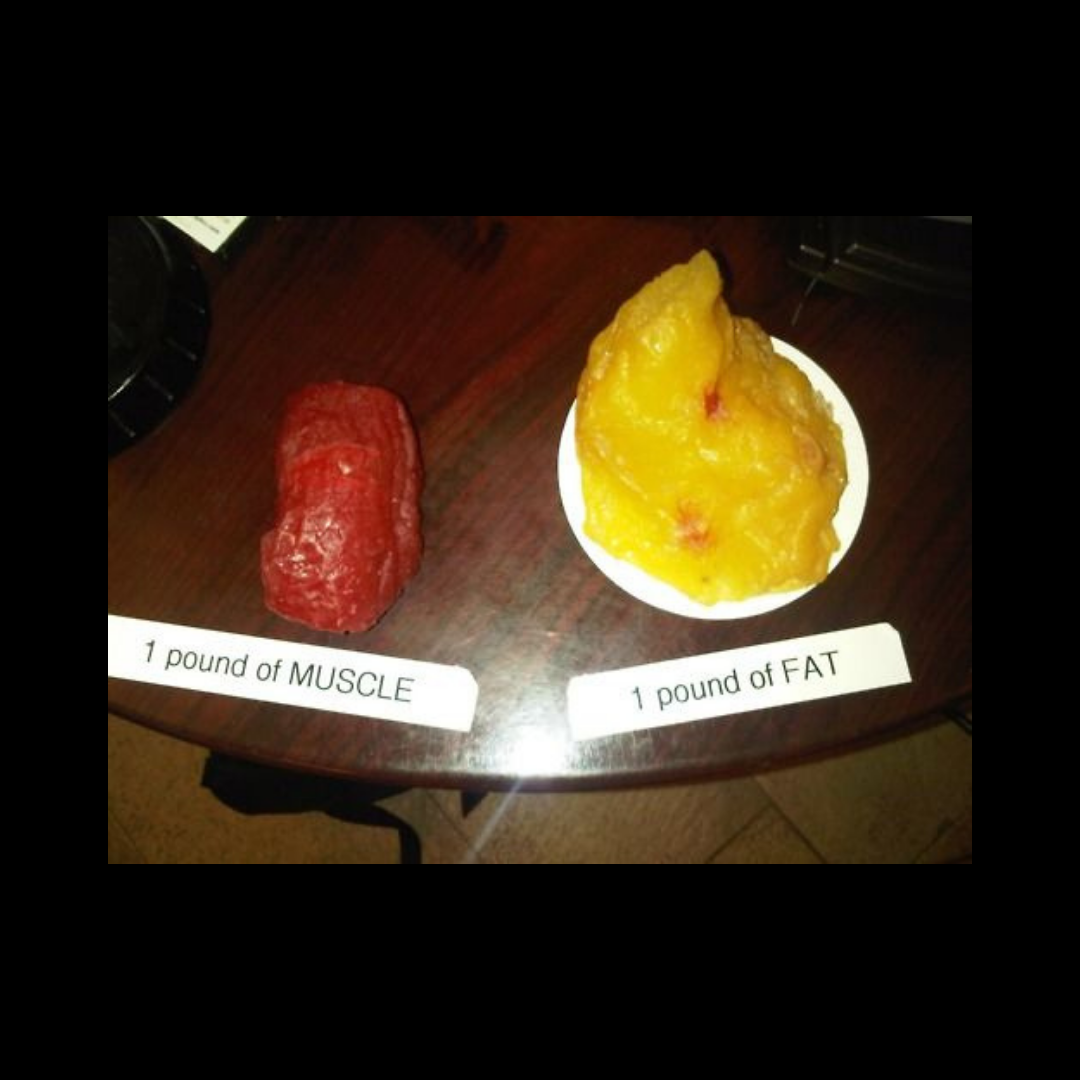
Fat mass and fat-free mass
Fat has essential roles in energy storage, insulation and normal body function. Muscle supports movement and strength. Neither a lower scale weight nor a lower body-fat percentage automatically means better health.
The illustration compares equal weights of fat and muscle: muscle occupies less volume. It cannot predict joint health or whether someone will need surgery.
What BMI can tell you

Body mass index (BMI) is weight in kilograms divided by height in metres squared. It is a screening measure, not a direct measurement of body fat. It cannot distinguish muscle from fat or show where fat is distributed.
For example, two adults with the same height and weight have the same BMI even if their body composition differs. A clinician considers BMI alongside other information.
Look beyond a target percentage
Body-fat charts are rough references. Results depend on the assessment method and individual context. Very low values are not a goal for everyone, and a chart cannot diagnose health. Choose assessment methods and targets with a qualified professional.
Read the CDC explanation of BMI and its limitations.
Ways to estimate body composition
Skinfold measurements
A trained assessor measures skinfold thickness at defined sites and uses an appropriate equation to estimate body fat. Technique and the equation’s suitability affect the estimate. Three-site and seven-site methods use different protocols; their equations are not interchangeable.
Use a qualified assessor and a consistent protocol rather than treating an online calculation as a personal assessment.


Bioelectrical impedance analysis (BIA)
Devices such as InBody estimate body composition from electrical impedance and a prediction model. I have used these devices in gym settings, but their readings are estimates rather than exact measurements.
Hydration, recent meals, exercise and measurement conditions can change the result. Follow the device’s preparation guidance and compare measurements taken under similar conditions. A small change between readings may be measurement variation.


Tape measurements
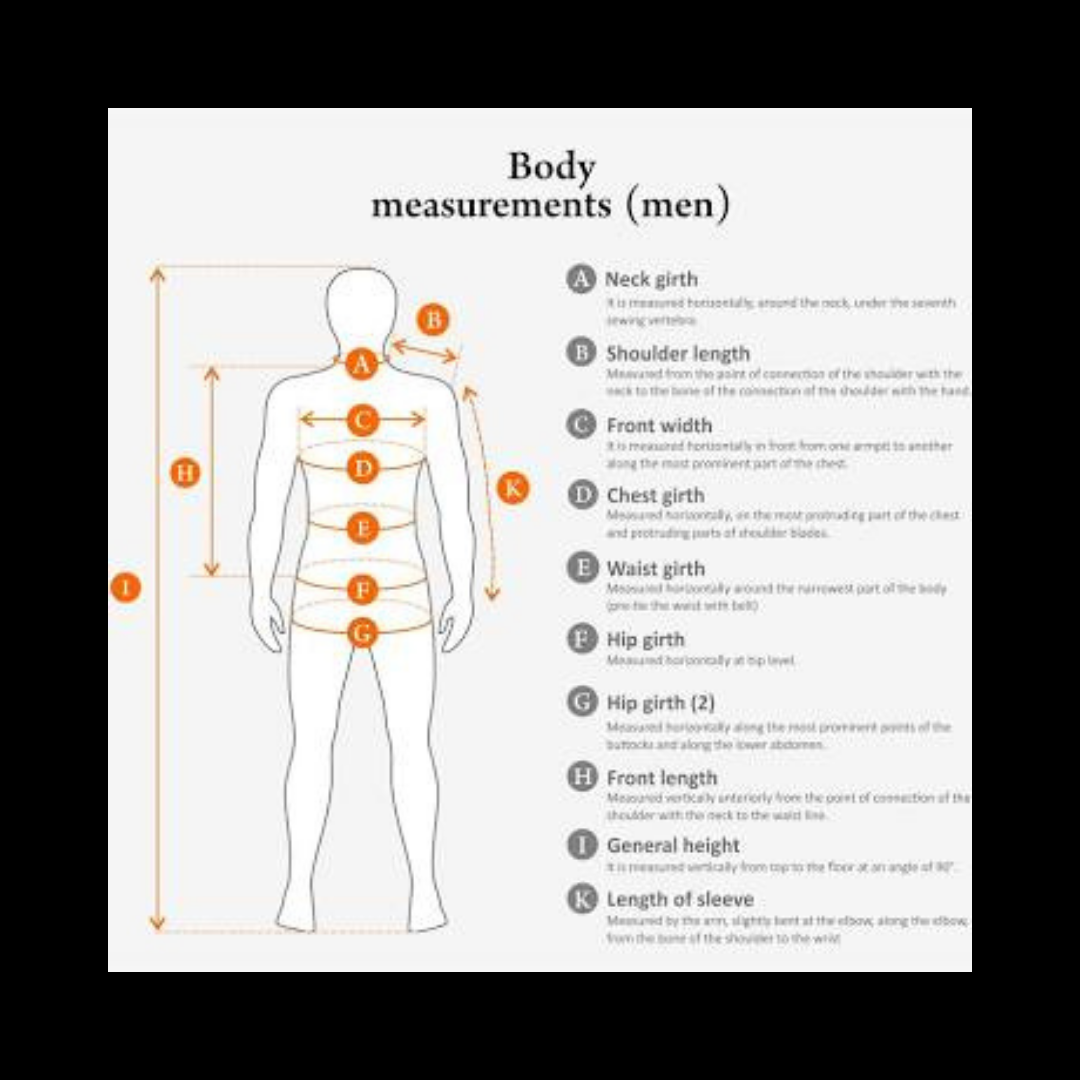
A tape measure is an accessible way to track changes in waist or other circumferences. Use the same anatomical location and technique each time, without compressing the skin.
A circumference is not itself a body-fat percentage. Equations based on circumferences have limitations and must use the correct measurement sites and units. Consistent measurements can be useful without converting them into a precise-looking percentage.

Hydrostatic Weighing

Hydrostatic weighing estimates body density from measurements on land and underwater, then uses a model to estimate body fat. Preparation, residual lung-volume estimates and testing technique affect the result.
Air displacement plethysmography

Systems such as BOD POD estimate body volume using air displacement. Together with body weight, this supports an estimate of body density and composition. Results still depend on the testing protocol and model.
DXA scans

Dual-energy X-ray absorptiometry (DXA) uses a low dose of X-rays to estimate bone mineral, fat mass and lean soft tissue. Lean soft tissue is not a direct measurement of muscle alone. Different devices and testing conditions can affect comparisons.
The practical takeaway
No method gives a complete picture of health, and there is no universal accuracy ranking that applies to every device and person. Interpret results in context with a qualified professional.
In coaching, I also look at strength, movement, training consistency and how daily activities feel. Choose measures that serve your goals rather than letting one number define your progress.
Explore Vela private coaching for a training strategy shaped around your life.
